
Fluoride treatments in North Raleigh
Additional enamel protection for children and adults who may benefit
Professional fluoride treatment can strengthen enamel and make teeth more resistant to acid-related mineral loss. We recommend fluoride according to cavity risk, enamel condition, dry mouth, age, and other individual factors rather than limiting it to children.
Ask About Fluoride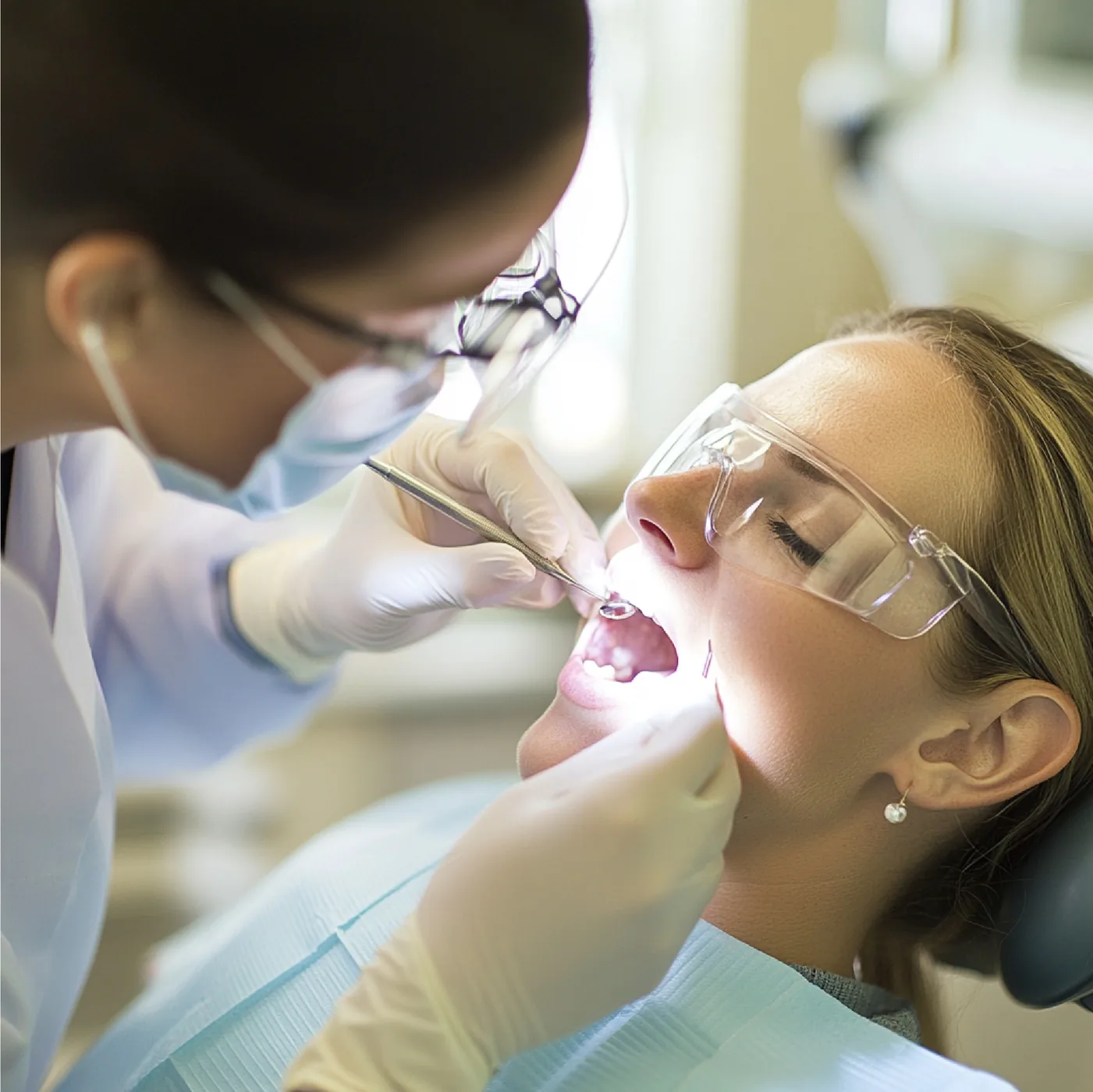
What Is a Professional Fluoride Treatment?
Fluoride is a naturally occurring mineral that supports remineralization, the process through which weakened enamel can regain minerals. A professional treatment places a concentrated topical fluoride product directly on the teeth.
Fluoride does not replace brushing, flossing, balanced nutrition, or treatment for an existing cavity. It adds another layer of protection when your risk and dental history suggest a meaningful benefit.

Why This Service Matters
Preventive care is most useful when it addresses a specific risk, finding, or daily need.
Strengthen Vulnerable Enamel
Topical fluoride can support areas experiencing early mineral loss before a cavity requires restoration.
Reduce Cavity Risk
Children, adults with dry mouth, patients with exposed roots, and people with a history of frequent decay may benefit from added protection.
Support Long-Term Prevention
Fluoride can be combined with home-care changes and an appropriate recall schedule as part of a broader plan.
How We Provide This Service
We explain each step and adapt the visit to the person receiving care.
1) Evaluate Cavity Risk
We consider previous decay, enamel condition, diet, dry mouth, medications, exposed roots, appliances, and home care.
2) Prepare the Teeth
Fluoride is commonly applied near the end of a preventive visit after the teeth have been cleaned.
3) Apply the Product
A varnish or another topical form is placed on the tooth surfaces in a short, comfortable step.
4) Review Instructions
The care team explains temporary eating, drinking, and brushing guidance for the product used.
What to Expect After Fluoride
Application is quick and does not require anesthetic. The coating may feel slightly different on the teeth for a short time, depending on the product.
Follow the instructions provided at your visit because eating, drinking, and brushing guidance can vary by fluoride type. Contact the office if you have questions about the specific product used.

Protecting the Result
The best next steps are practical, specific, and sustainable.
Use Fluoride Toothpaste
Brush twice daily with an age-appropriate amount of fluoride toothpaste unless your dentist recommends otherwise.
Manage Dry Mouth
Address hydration, medications, and dry-mouth strategies with the appropriate healthcare professionals when saliva protection is reduced.
Limit Frequent Sugar and Acid
Reducing repeated exposure to sugary or acidic drinks and snacks gives enamel more time to recover.
Related Care
Use these pages to understand the services and guidance that connect with this visit.
Routine Dental Cleanings
Explore Routine Dental Cleanings →Dental Sealants
Explore Dental Sealants →Pediatric Care
Explore Pediatric Care →Frequently Asked Questions
Open any question for a direct answer about fluoride treatments.
Are fluoride treatments only for children?
No. Adults may also benefit when dry mouth, exposed roots, frequent decay, appliances, or other factors increase cavity risk. Read which adults may benefit from fluoride treatments and how cavity risk shapes the recommendation.
How does fluoride help teeth?
Fluoride supports remineralization and helps enamel resist the acid activity that contributes to decay.
Does fluoride repair a cavity?
Fluoride may support very early mineral changes, but it cannot rebuild a tooth once decay has created a cavity that requires restoration.
How long does the application take?
Professional application usually takes only a few minutes near the end of a preventive visit.
Can I eat after fluoride treatment?
Follow the instructions provided for the specific product used because temporary restrictions can vary.
How often is professional fluoride recommended?
Frequency depends on cavity risk, enamel condition, age, dry mouth, and the dentist's findings.
Do I still need fluoride toothpaste?
Professional treatment supplements daily home care. Continue using the toothpaste and technique recommended for you.
Can fluoride help with sensitive roots?
Some fluoride products may reduce sensitivity associated with exposed root surfaces, although the cause of sensitivity should still be evaluated.
Is fluoride part of every cleaning?
Not automatically. We discuss it when added enamel protection may be useful.
How do I know whether I need fluoride?
Dr. Scanlan and your hygienist can evaluate your history, enamel, dry mouth, existing dental work, and current cavity risk.
A Clearer Preventive Plan
Fluoride is one preventive tool, not a universal add-on. We will explain whether it is likely to provide useful protection for you or your child.
Ask About FluorideLet’s Plan Your Visit
Tell us a little about the visit you need. Our care team will answer your questions and help you schedule with Dr. Scanlan. If a tooth is hurting or your concern is urgent, please call the office.