
Cosmetic tooth bonding in North Raleigh
Conservative changes to shape, edges, and small spaces
Cosmetic bonding uses tooth-colored composite resin to refine the shape, minor edge irregularities, or small gaps of generally healthy teeth. Careful planning keeps the result proportional to your smile and preserves healthy tooth structure whenever possible.
Request a Cosmetic Consultation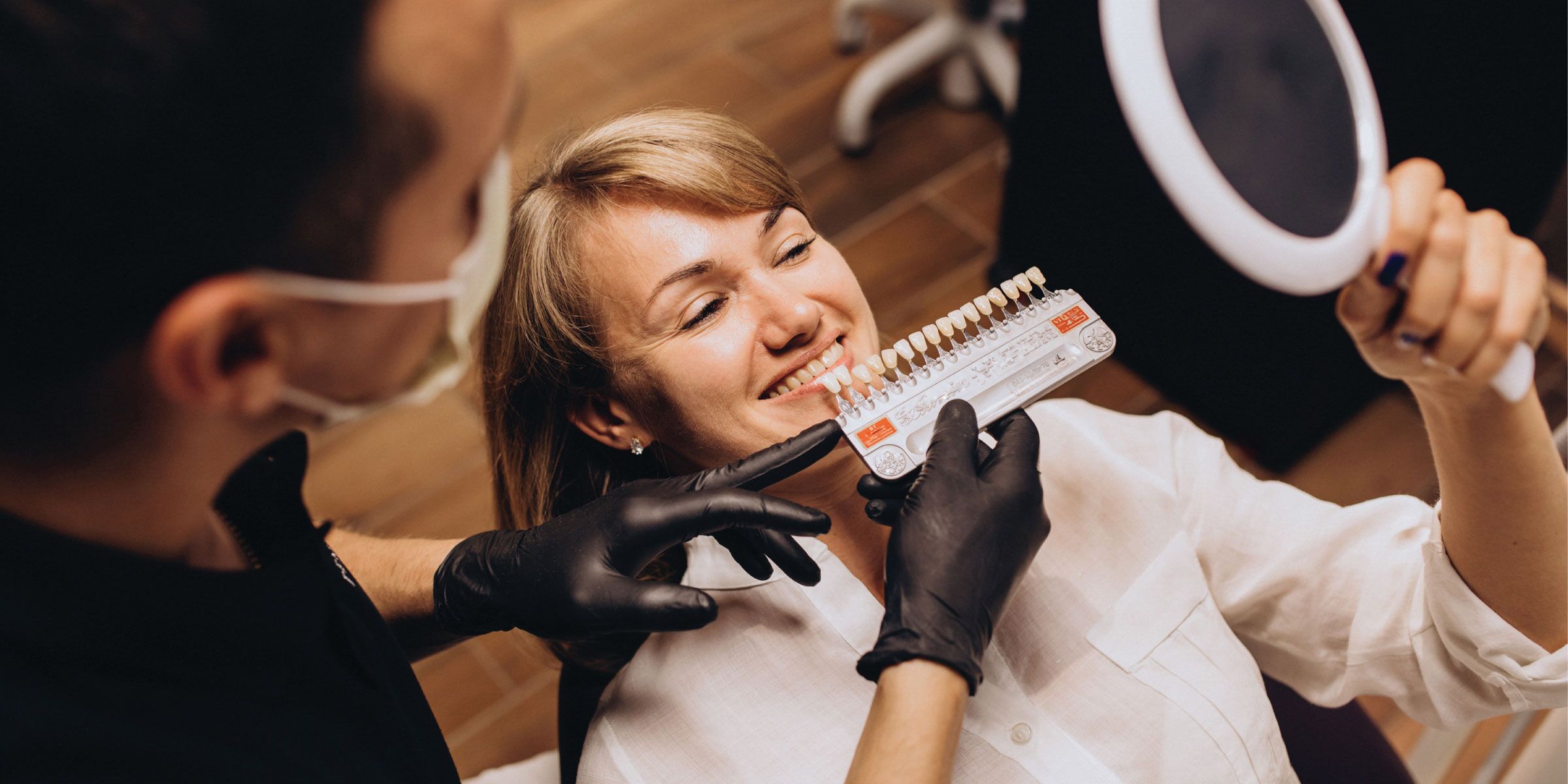
What Cosmetic Bonding Can Change
Cosmetic bonding places and shapes tooth-colored composite resin on a generally healthy tooth to improve its appearance. It can refine uneven edges, limited gaps, localized discoloration, or proportions. A tiny, stable chip treated only for appearance may be cosmetic; a chip that weakens the tooth or affects chewing may need a restorative filling or another restoration.
At our practice, cosmetic bonding addresses appearance-only concerns, such as small gaps and minor shape or edge irregularities in generally healthy teeth. Chipped or fractured teeth receive a restorative evaluation for a filling, crown, or another appropriate repair. Dr. Scanlan considers tooth structure, bite forces, enamel, gum position, and your goals before recommending cosmetic options such as bonding, whitening, Invisalign, veneers, light smoothing, or no treatment.

Why This Service Matters
Cosmetic care should begin with oral health, clear expectations, and a reasoned choice among appropriate options.
Preserve Healthy Structure
Many bonding cases require little or no removal of healthy enamel.
Make Focused Changes
Composite can be placed only where needed to refine an edge, contour, or small space.
Coordinate Color and Shape
Whitening and other cosmetic treatment may need to occur before bonding so the final shade can be matched.
How We Provide This Service
Planning comes before treatment so the purpose, limitations, and next steps remain understandable.
1) Evaluate Tooth and Bite
We assess the tooth, surrounding enamel, gum position, bite forces, and the change you want to make.
2) Select Shade and Shape
The composite shade and proposed contour are chosen to blend with neighboring teeth.
3) Place and Shape Resin
The tooth is prepared conservatively, then resin is placed and sculpted directly on the tooth.
4) Cure, Refine, and Polish
The material is hardened, adjusted to the bite, refined, and polished for a smooth finish.
Planning Shape and Shade
Small changes can have a significant visual effect, so proportion and symmetry matter. Dr. Scanlan plans the contour in relation to the neighboring teeth, lips, bite, and overall smile.
Composite resin can stain or chip over time and does not whiten after placement. Future touch-ups, polishing, repair, or replacement may be needed depending on habits and bite forces.

Protecting the Result
Maintenance should be practical, specific to the treatment, and explained before care begins.
Avoid Using Teeth as Tools
Biting hard objects, opening packages, chewing ice, or nail biting can chip bonded areas.
Manage Grinding or Clenching
A protective appliance may be recommended when bite forces put the bonding at greater risk.
Keep Routine Care
Professional examinations and cleanings help monitor margins, surface polish, color, and surrounding oral health.
Related Care
Compare connected services and guidance before deciding which starting point fits your goals.
Professional Teeth Whitening
Explore Professional Teeth Whitening →Porcelain Veneers
Explore Porcelain Veneers →Dental Fillings
Explore Dental Fillings →Frequently Asked Questions
Open any question for an answer from the current Scanlan Family Dentistry service page.
Is bonding cheaper than veneers?
Bonding is often less expensive than porcelain veneers because it usually requires less preparation and no laboratory fabrication.
Can cosmetic bonding stain?
Yes. Composite bonding material can gradually absorb staining from coffee, tea, red wine, tobacco, and other dark-colored substances over time.
Can bonding chip or break?
Yes. Composite can chip, wear, or need repair over time. Its durability depends on the size and location of the bonded area, bite forces, habits, and home care. Nail biting, chewing ice, or teeth grinding can increase the risk of chipping.
How long does a bonding appointment take?
Many bonding procedures can often be completed in a single appointment, although timing depends on how many teeth are being treated.
What is the difference between cosmetic bonding and fillings?
Both treatments may use tooth-colored composite resin; the difference is why it is placed. A filling treats decay or structural damage to protect the tooth and restore function. Cosmetic bonding changes the appearance of a generally healthy tooth. A chipped tooth may need either approach, depending on its condition and the reason for treatment. Read our tooth bonding vs. dental fillings article for more detail.
Is cosmetic tooth bonding painful?
Cosmetic bonding is usually a very comfortable procedure. Because treatment often involves minimal preparation, anesthesia may not even be necessary in many cosmetic cases.
How long does cosmetic bonding last?
Bonding longevity depends on oral hygiene, bite pressure, grinding habits, and the location of the bonded area. Many patients maintain bonding successfully for several years before touch-ups become necessary.
Can bonded teeth be whitened later?
The bonding material itself does not whiten like natural enamel. Patients considering whitening often benefit from whitening first and then matching bonding afterward.
Does cosmetic bonding look natural?
When properly color-matched and shaped, cosmetic bonding is designed to blend naturally with surrounding enamel.
Can bonding fix gaps between teeth?
Yes, bonding can sometimes improve small spaces between teeth. Larger spacing or bite alignment concerns may still require orthodontic treatment.
A Clearer Cosmetic Plan
Cosmetic bonding is most useful when a conservative change can produce a meaningful improvement. We explain what it can accomplish, what it cannot, and how the result should be maintained.
Request a Cosmetic ConsultationLet’s Plan Your Visit
Tell us a little about the visit you need. Our care team will answer your questions and help you schedule with Dr. Scanlan. If a tooth is hurting or your concern is urgent, please call the office.