
Dental sealants in North Raleigh
Protect cavity-prone grooves without removing healthy tooth structure
Dental sealants are thin protective coatings placed in deep pits and grooves where toothbrush bristles may not clean effectively. They are most often used on permanent molars in children and teens, although selected adults may also benefit.
Ask About Dental Sealants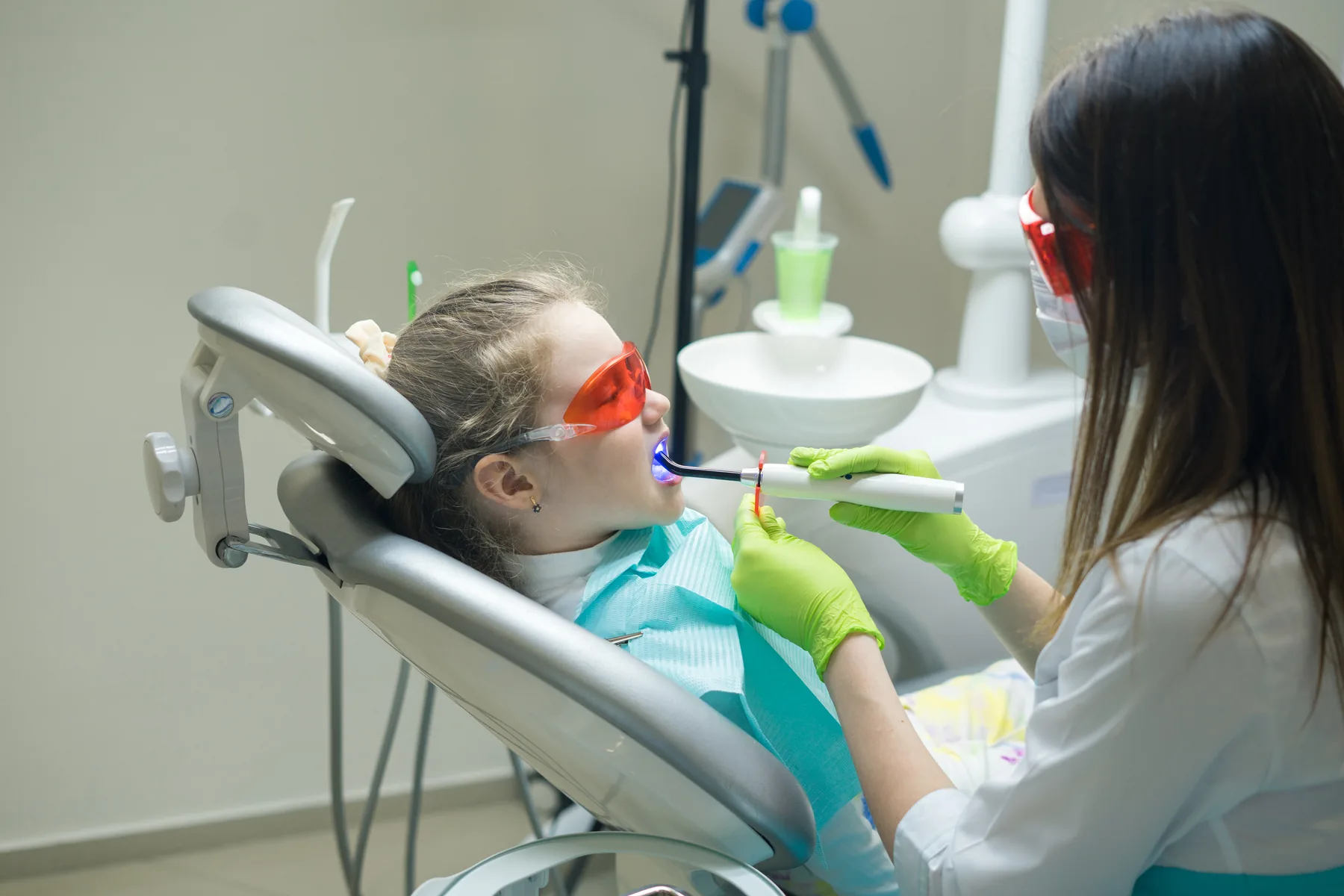
What Are Dental Sealants?
A dental sealant is a flowable material placed over the chewing surface of a tooth. It settles into narrow pits and fissures, then hardens into a smoother barrier that helps keep food and bacteria from collecting in those vulnerable areas.
Sealants are preventive. They do not cover every tooth surface, replace fluoride, or substitute for daily brushing and flossing. Dr. Scanlan evaluates each tooth before recommending treatment.

Why This Service Matters
Preventive care is most useful when it addresses a specific risk, finding, or daily need.
Protect Deep Grooves
Newly erupted molars can have narrow anatomy that is difficult to clean even with consistent brushing.
Preserve Healthy Structure
Sealants can reduce cavity risk without drilling or removing healthy enamel when the tooth is appropriate for prevention.
Support Growing Independence
They can add protection while children and teens continue developing reliable home-care habits.
How We Provide This Service
We explain each step and adapt the visit to the person receiving care.
1) Clean and Examine the Tooth
The tooth is evaluated to confirm that a preventive coating is appropriate.
2) Keep the Surface Dry
Isolation helps the sealant bond correctly to the enamel.
3) Place and Harden the Sealant
The material flows into the grooves and is cured according to the product used.
4) Check the Bite
We confirm that the coating feels comfortable and make minor adjustments when needed.
What to Expect During Sealant Placement
Sealant placement is generally quick, comfortable, and completed without anesthetic. The tooth must remain dry, so cooperation with positioning and suction is important.
The sealed surface may feel slightly different at first, but it should not feel painfully high. Tell us if the bite remains uncomfortable after the visit.
Protecting the Result
The best next steps are practical, specific, and sustainable.
Brush Every Surface
Sealants protect grooves, not the sides of teeth or the gumline, so complete brushing remains necessary.
Clean Between Teeth
Flossing protects the contact areas that sealants cannot reach.
Let Us Recheck Them
Sealants can wear or chip over time and should be evaluated during continuing preventive visits.
Related Care
Use these pages to understand the services and guidance that connect with this visit.
Fluoride Treatments
Explore Fluoride Treatments →Pediatric Care
Explore Pediatric Care →Routine Dental Cleanings
Explore Routine Dental Cleanings →Frequently Asked Questions
Open any question for a direct answer about dental sealants.
At what age are sealants usually placed?
They are often considered when permanent molars erupt, but timing depends on the tooth, cavity risk, anatomy, and the child's ability to participate.
Can adults receive sealants?
Yes. An adult tooth with deep, cavity-prone grooves and no condition requiring restoration may be a candidate.
Do sealants require drilling?
Preventive sealants generally do not require removal of healthy tooth structure or local anesthetic.
How long do sealants last?
They can remain effective for years, but wear varies. We check them during preventive examinations.
Can a cavity form under a sealant?
A tooth is examined before placement. Sealants should also be monitored because damage or loss of material can reduce protection.
Do sealants replace fluoride?
No. Sealants protect selected grooves, while fluoride supports enamel on many tooth surfaces.
Can my child eat after sealants?
Most patients can eat normally after placement unless the care team gives different instructions.
What if a sealant comes off?
Call or text the office at (919) 977-1870. We can evaluate the tooth and determine whether replacement is appropriate.
Are sealants visible?
Sealant materials are usually tooth-colored, clear, or lightly tinted and remain primarily on chewing surfaces.
How do I know whether my child needs sealants?
Dr. Scanlan considers groove depth, eruption, previous cavities, enamel condition, home care, and overall risk. Our dental sealant guide explains how groove depth, cavity risk, and tooth development affect that decision.
A Clearer Preventive Plan
Sealants can provide targeted protection for the teeth that need it most. We will explain which teeth are appropriate and how sealants fit with the rest of your preventive plan.
Ask About Dental SealantsLet’s Plan Your Visit
Tell us a little about the visit you need. Our care team will answer your questions and help you schedule with Dr. Scanlan. If a tooth is hurting or your concern is urgent, please call the office.