
Digital dental X-rays in North Raleigh
See important details that a visual examination cannot reveal
Digital dental X-rays help us evaluate areas between teeth, beneath existing dental work, around tooth roots, and within supporting bone. At Scanlan Family Dentistry, imaging is recommended according to clinical need, history, age, symptoms, and the usefulness of existing records.
Schedule an Evaluation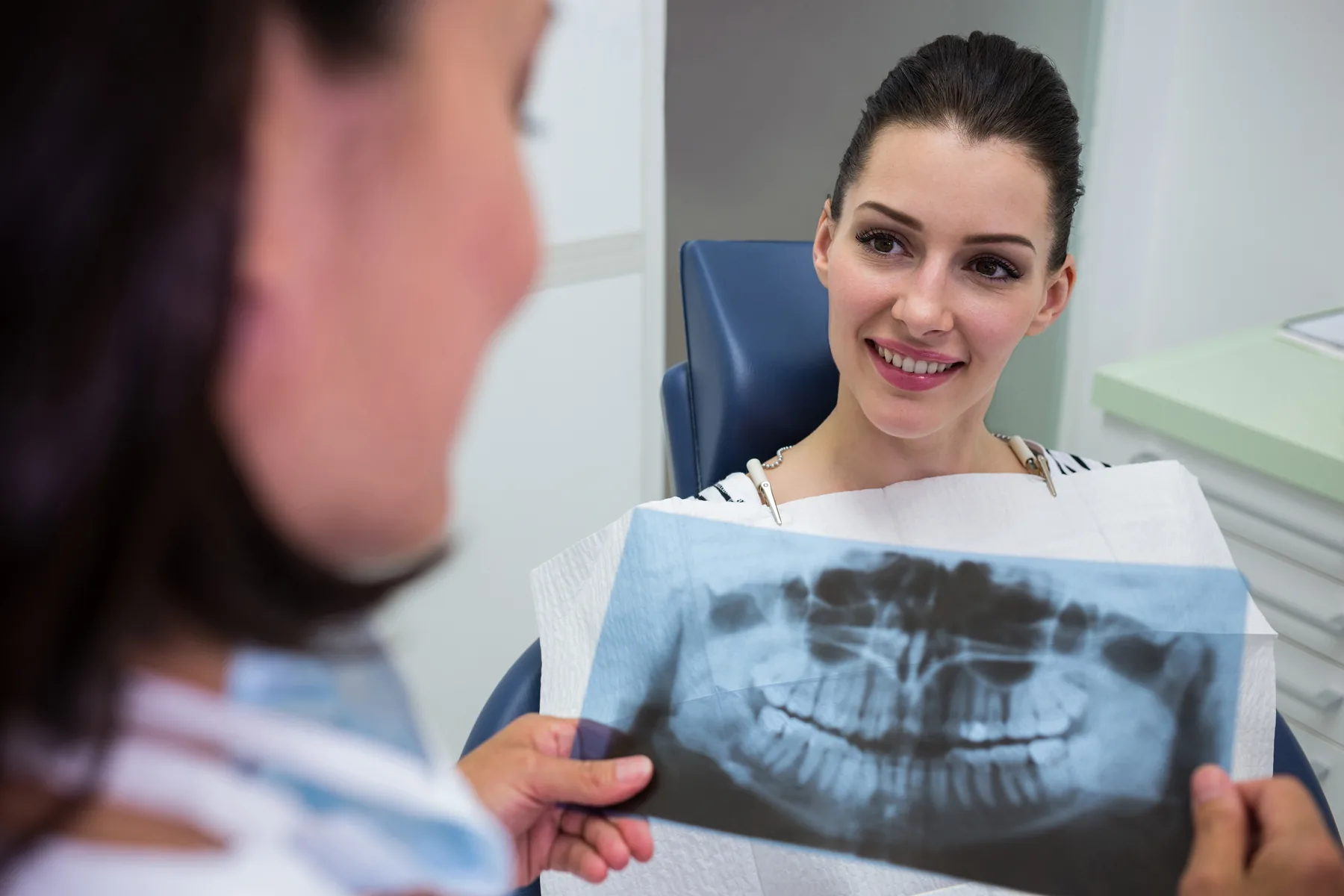
What Are Digital Dental X-Rays?
Digital dental X-rays are images created with a small electronic sensor or imaging system. They allow the dentist to examine structures that are not fully visible during a clinical examination.
Different images answer different questions. Bitewing images help evaluate areas between back teeth and bone levels. Periapical images show an entire tooth and the surrounding root area. A full-mouth series provides a broader record when a more complete evaluation is appropriate.

Why This Service Matters
Preventive care is most useful when it addresses a specific risk, finding, or daily need.
Find Hidden Decay
X-rays can reveal cavities between teeth or beneath existing restorations before they become obvious on the surface.
Evaluate Roots and Bone
Images can help assess tooth roots, supporting bone, infections, development, and changes around previous dental work.
Improve Treatment Planning
Accurate images help Dr. Scanlan explain the extent of a concern and compare reasonable next steps.
How We Provide This Service
We explain each step and adapt the visit to the person receiving care.
1) Review Available Records
We consider useful recent images from another office when they are available and diagnostically adequate.
2) Choose the Appropriate View
The image type and number are selected for the question that needs to be answered.
3) Capture the Image
A team member positions the sensor or imaging equipment and guides you through the brief exposure.
4) Interpret the Findings
Dr. Scanlan reviews the images with the clinical examination and explains relevant findings.
What to Expect During Dental Imaging
Most dental images take only moments to capture. Intraoral sensors sit inside the mouth and may feel bulky for a short period. Tell us if you have a strong gag reflex, limited opening, tenderness, or another concern so we can plan carefully.
Digital imaging uses focused equipment and modern exposure settings. We avoid automatic imaging schedules when an image would not provide useful clinical information.
Protecting the Result
The best next steps are practical, specific, and sustainable.
Transfer Useful Records
Ask a previous dental office to send recent diagnostic images when our care team requests them.
Keep Periodic Exams
Clinical changes and new symptoms help determine whether updated imaging would be useful.
Report Symptoms Promptly
Pain, swelling, trauma, or a change near an existing restoration may require focused images before routine timing.
Related Care
Use these pages to understand the services and guidance that connect with this visit.
Comprehensive Dental Exams
Explore Comprehensive Dental Exams →Emergency Dental Care
Explore Emergency Dental Care →Pediatric Care
Explore Pediatric Care →Frequently Asked Questions
Open any question for a direct answer about digital dental x-rays.
Why are dental X-rays needed if nothing hurts?
Some cavities, bone changes, infections, and problems around existing dental work can develop before they cause noticeable symptoms.
Do I need X-rays at every visit?
No. Recommendations depend on age, history, cavity risk, gum health, symptoms, previous images, and current clinical findings.
What types of dental X-rays do you use?
Our practice may use bitewing, periapical, and full-mouth images according to the information needed for your care.
Can you use X-rays from my previous dentist?
Often, yes, when the images are recent, complete enough for the current question, and diagnostically clear.
Are digital X-rays different from film X-rays?
Digital systems use electronic sensors or digital receptors and allow images to be reviewed immediately on a screen.
What if I have a strong gag reflex?
Tell the care team before imaging. We can explain positioning, work efficiently, and consider the most practical approach for the needed view.
Are X-rays used for children?
They may be recommended when the child's development, cavity risk, symptoms, or clinical findings make the information useful. Age alone does not determine the decision.
Should I tell you if I am pregnant or may be pregnant?
Yes. Share that information with the care team so Dr. Scanlan can consider timing, need, and appropriate precautions.
Can an X-ray diagnose every dental problem?
No. Images are interpreted together with your history, symptoms, and clinical examination.
How long do dental X-rays take?
Focused images may take only a few minutes. A larger series requires more positioning and additional time.
A Clearer Preventive Plan
Digital X-rays are most valuable when they answer a specific clinical question. Our approach uses the images that are appropriate for your care and explains how the findings affect your choices.
Schedule an EvaluationLet’s Plan Your Visit
Tell us a little about the visit you need. Our care team will answer your questions and help you schedule with Dr. Scanlan. If a tooth is hurting or your concern is urgent, please call the office.