
Preventive pediatric dentistry in North Raleigh
Positive early visits and practical protection for growing smiles
Preventive pediatric care helps children become comfortable with the dental office while protecting developing teeth and building habits that can last. Visits are adapted to the child's age, confidence, current teeth, cavity risk, and ability to participate.
Schedule Your Child's Visit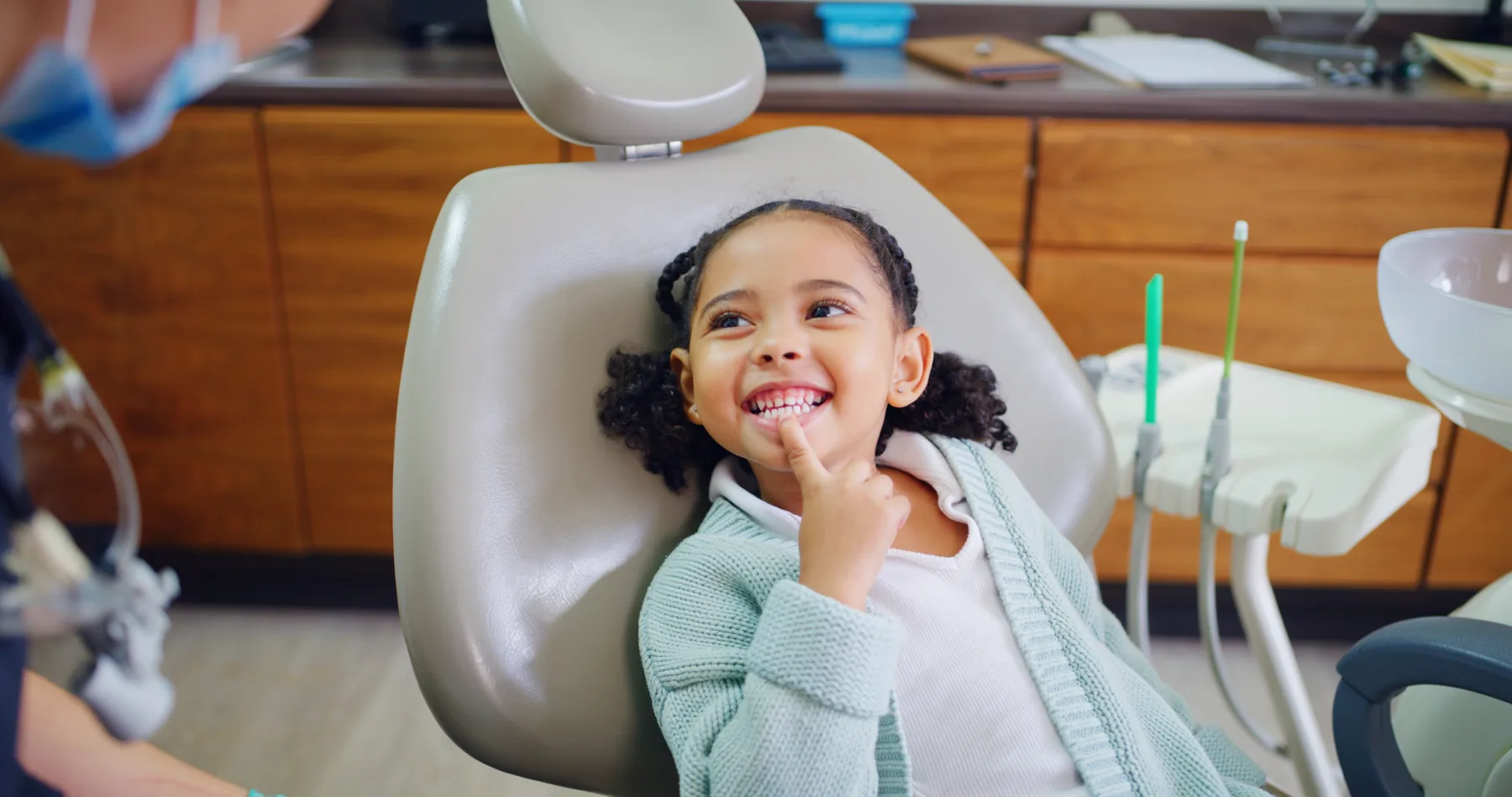
What Is Preventive Pediatric Dental Care?
Preventive pediatric care includes early introductions, dental examinations, routine cleanings when appropriate, risk-based digital X-rays, fluoride, sealants, home-care guidance, and monitoring as primary teeth give way to permanent teeth.
At Scanlan Family Dentistry, the goal is not to force a young child through an adult-style appointment. We build familiarity, use clear language, involve parents, and complete what is appropriate for the child's development and comfort.

Why This Service Matters
Preventive care is most useful when it addresses a specific risk, finding, or daily need.
Build Familiarity Early
Calm introductions help children learn what the office looks, sounds, and feels like before more involved care is needed.
Protect Developing Teeth
Exams, cleanings, fluoride, sealants, and home guidance are recommended according to current teeth and cavity risk.
Guide the Whole Family
Parents receive practical help with brushing, toothpaste amounts, snacks, drinks, habits, and changing independence.
How We Provide This Service
We explain each step and adapt the visit to the person receiving care.
1) Welcome and Conversation
We ask about the child's health, habits, comfort, previous experiences, and any questions from the parent or caregiver.
2) Age-Appropriate Examination
Dr. Scanlan evaluates the teeth, gums, bite, eruption, and development in a way the child can manage.
3) Preventive Care
Cleaning, fluoride, sealants, or X-rays are provided only when appropriate for the child's needs and participation.
4) Simple Guidance
We explain what we saw and give the family realistic next steps for home and future visits.
Helping Your Child Prepare
Use simple, positive language before the appointment. Tell your child that the dental team will count and clean teeth and help keep the mouth healthy. Avoid promising that nothing will feel unusual because every child experiences visits differently.
For children ages one to two, our free lap-visit program provides a gentle introduction while the child remains close to a parent or caregiver. Routine cleanings commonly begin around age two and a half, depending on readiness and need.

Protecting the Result
The best next steps are practical, specific, and sustainable.
Brush with Fluoride Toothpaste
Use the age-appropriate amount and supervise until the child can reliably clean every surface and spit.
Keep Drinks and Snacks Structured
Frequent sugar and acid exposure matters, so water and planned snack times can support enamel health.
Make Visits Routine
Consistent preventive care helps the child build familiarity and lets us monitor eruption, development, and risk.
Related Care
Use these pages to understand the services and guidance that connect with this visit.
Free Lap Visits for Toddlers
Ask About Free Lap Visits for Toddlers →Dental Sealants
Explore Dental Sealants →Children and Teens
Explore Children and Teens →Frequently Asked Questions
Open any question for a direct answer about preventive pediatric care.
When should my child first visit the dentist?
Early visits can begin around the first birthday or after the first teeth appear. Our free lap visits serve toddlers ages one to two as a gentle introduction.
When do routine cleanings begin?
They commonly begin around age two and a half, although timing depends on the child's teeth, needs, comfort, and ability to participate.
What happens during a toddler lap visit?
The child remains close to a parent or caregiver while meeting the team, seeing simple tools, and becoming familiar with the office at an age-appropriate pace. Our toddler lap visit guide explains what happens during the visit and how to prepare your child.
How should I prepare my child?
Keep explanations short and positive. Avoid detailed warnings or sharing frightening dental experiences.
What if my child is nervous?
Tell us beforehand. We can introduce steps slowly, use child-friendly language, and focus on building trust rather than forcing unnecessary progress.
Will my child need X-rays?
Not automatically. Images are recommended according to development, spacing, cavity risk, symptoms, previous records, and clinical findings.
Are fluoride treatments recommended for children?
They may be recommended when added enamel protection would be useful. The decision reflects age, cavity risk, diet, home care, and enamel condition.
When are sealants placed?
Sealants are often considered as permanent molars erupt, especially when deep grooves increase cavity risk.
Can parents remain with their child?
Parents and caregivers are part of the conversation. The best arrangement during care depends on the child's age, comfort, safety, and the visit being completed.
What if my child has tooth pain or a broken tooth?
Call the office and explain the concern. Pain, swelling, trauma, or damage may require a restorative or urgent evaluation rather than a routine preventive visit.
A Clearer Preventive Plan
Healthy childhood visits combine prevention with trust. We help families understand what matters now, what can wait, and how care should change as a child grows.
Schedule Your Child's VisitLet’s Plan Your Visit
Tell us a little about the visit you need. Our care team will answer your questions and help you schedule with Dr. Scanlan. If a tooth is hurting or your concern is urgent, please call the office.